Coastal Community Resilience Lab
(CCRL)
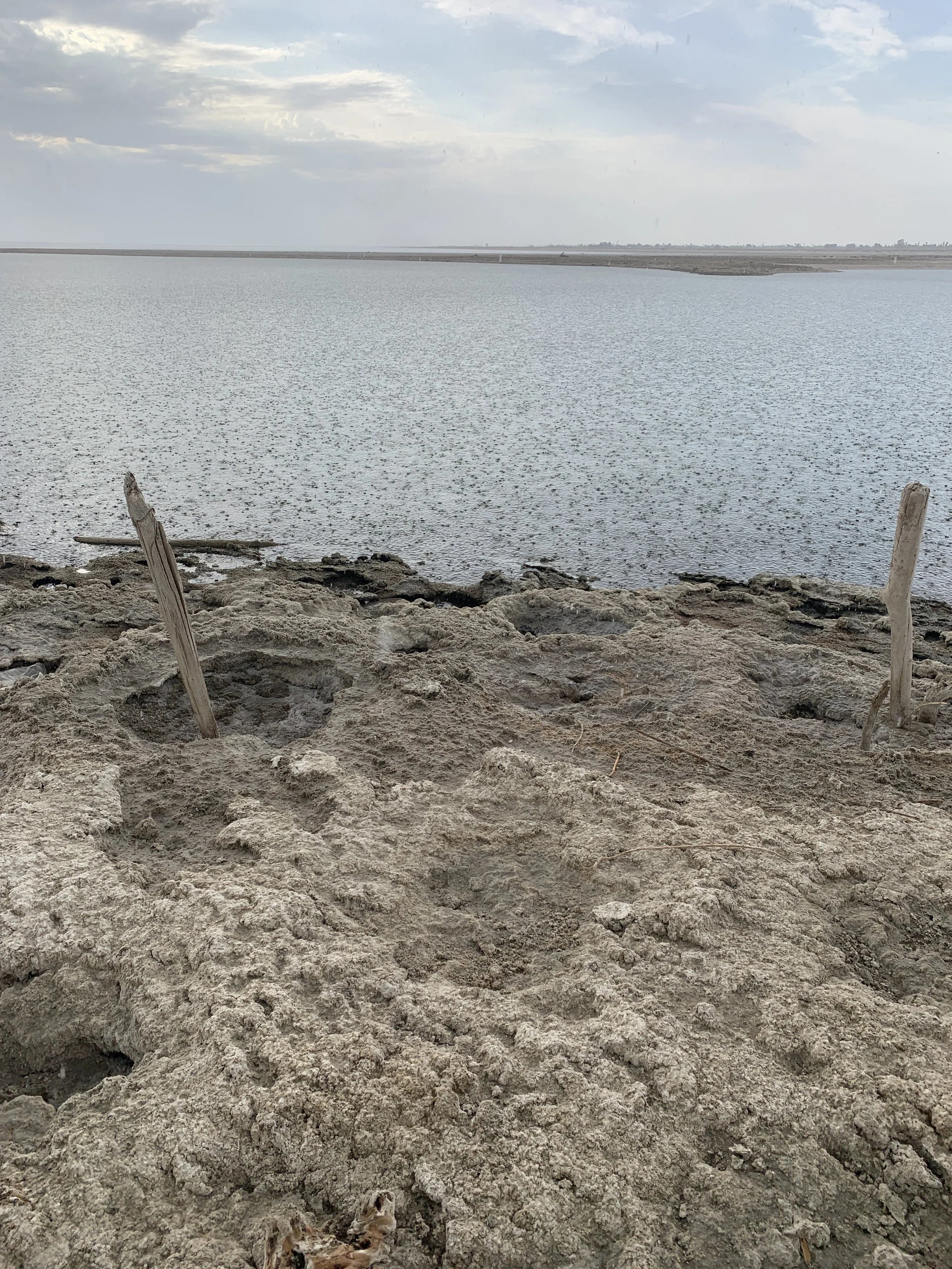
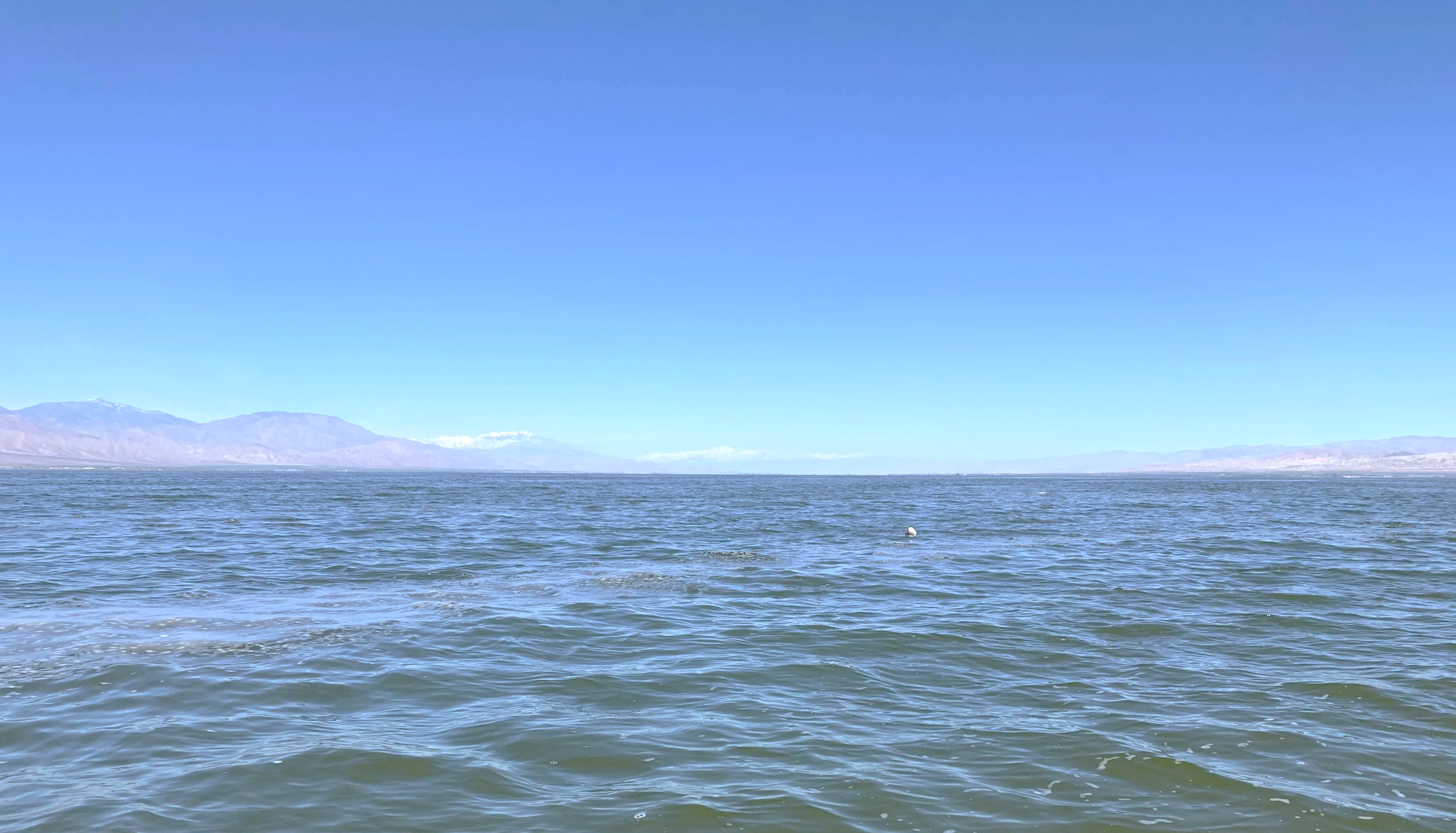
The Coastal Community Resilience Lab investigates how hydrodynamic processes in oceans and saline lakes shape environmental conditions that affect communities. We work in partnership with communities to pursue research guided by their priorities and lived experiences. Rooted in environmental justice, our work focuses on challenges that disproportionately burden marginalized communities. Beyond identifying problems, we aim to produce knowledge that communities can use to advocate for themselves and begin building meaningful, effective solutions. Our interdisciplinary approach bridges physical science and social context, with community needs at the center of our work.
Land and labor acknowledgment
Los Angeles is colonized, stolen Indigenous land. The Gabrielino/Tongva peoples are the traditional land caretakers of Tovaangar (the Los Angeles basin and the Southern Channel Islands). No statement is sufficient recompense for the violence enacted against Indigenous people.
Our lab recognizes that, to this day, colonized people around the world (including the Palestinian people, boricuas, and many others) continue to fight for their right to live on their land. We live and work in the US, an empire, which has supported, facilitated, and perpetrated violence globally under the guise of freedom and liberation since its inception and, hence, we are inevitably witnesses and supporters of an oppressive system.
We also pay our respects to all those, particularly migrant and enslaved Black people, whose forced and/or uncompensated labor have made the academic institution possible. To this day, our lab can do what it does thanks to those who came before us and those who continue to live at the margins of society due to imposed socioeconomic inequities.
Performative land and labor acknowledgments are not enough unless we complement them with decisive actions of solidarity towards those colonized. Our lab continues to make mistakes, but we strive to keep growing and learning.